
 By Kshemahealthcare
1. The Most Common “Field” Injuries
Sports injuries usually fall into two categories: acute (sudden trauma) and overuse (gradual wear and tear).
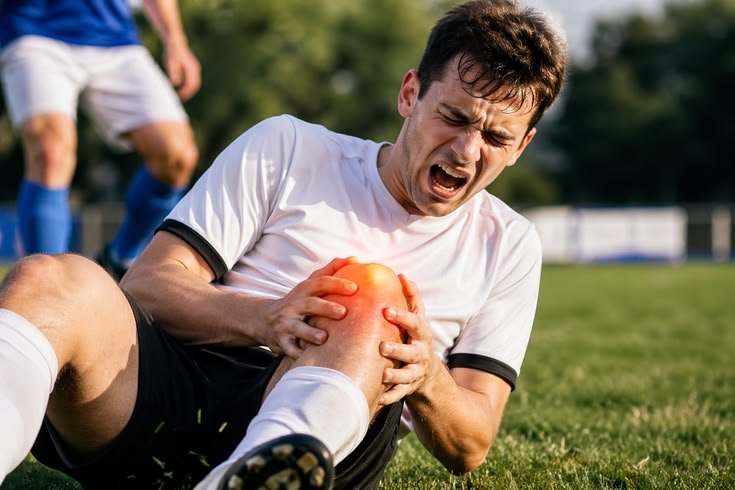
- ACL Tears: Often occurring during sudden pivots or stops, a tear in the Anterior Cruciate Ligament (ACL) is one of the most common knee injuries in sports like football or basketball.
- Meniscus Tears: This “C-shaped” piece of cartilage acts as a shock absorber. A sudden twist can cause it to tear, leading to pain and swelling.
- Rotator Cuff Injuries: Common in racket sports or swimming, these injuries affect the tendons in the shoulder, often causing a dull ache and weakness.
- Ankle Sprains: Stretching or tearing the ligaments that support the ankle, usually from a “rolled” foot.
2. The “R.I.C.E.” Method: Your First Line of Defense
For immediate care following a minor injury, remember the R.I.C.E. protocol:
- Rest: Avoid activities that cause pain.
- Ice: Apply cold packs for 15-20 minutes several times a day.
- Compression: Use an elastic bandage to reduce swelling.
- Elevation: Keep the injured area above the level of your heart.
3. When is it Time to See a Specialist?
Self-treatment has its limits. You should consult a sports medicine specialist if you experience:
- The “Pop” Sound: If you hear or feel a loud pop followed by intense pain, it often indicates a ligament tear.
- Inability to Bear Weight: If you cannot walk more than four steps without significant pain.
- Joint Instability: Feeling like your knee or ankle is “giving way” or “buckling.”
- Night Pain: Persistent pain that prevents you from sleeping or does not improve with rest.
- Visible Deformity: Obvious swelling, lumps, or a joint that looks out of place.
4. Modern Solutions: The Power of Arthroscopy
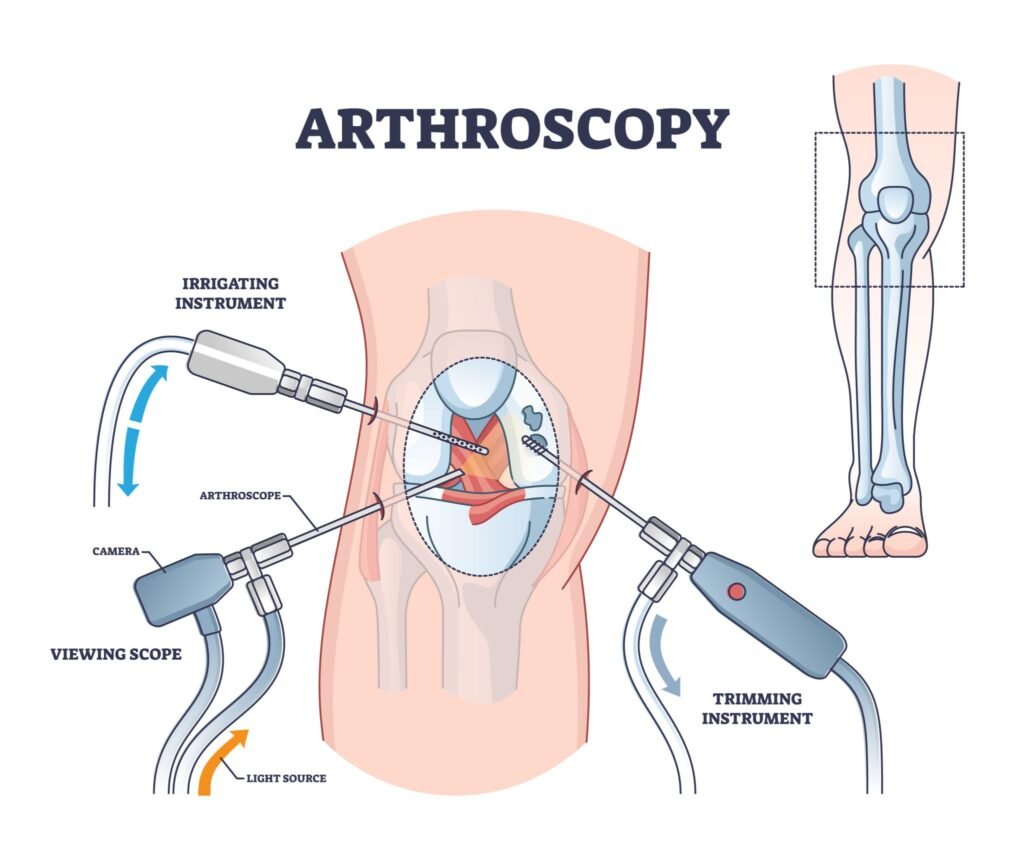
At Kshema Healthcare, we prioritize Keyhole Surgery (Arthroscopy) for sports injuries.
- Minimally Invasive: We use a tiny camera and specialized tools through incisions smaller than a buttonhole.
- Faster Return to Play: Because we don’t need to open the entire joint, recovery is significantly faster, and scarring is minimal.
- Precision Repair: High-definition cameras allow surgeons to see and repair damage that might be missed in traditional surgery.
5. Prevention: Stay on the Field Longer
The best injury is the one that never happens. Our specialists recommend:
- Dynamic Warm-ups: Move your joints through their full range of motion before playing.
- Strength Training: Strong muscles protect your joints from impact.
- Proper Gear: Ensure your footwear is appropriate for your specific sport and terrain.
Leave A Comment