 By Kshemahealthcare
1. Why Pediatric Orthopaedics is Different
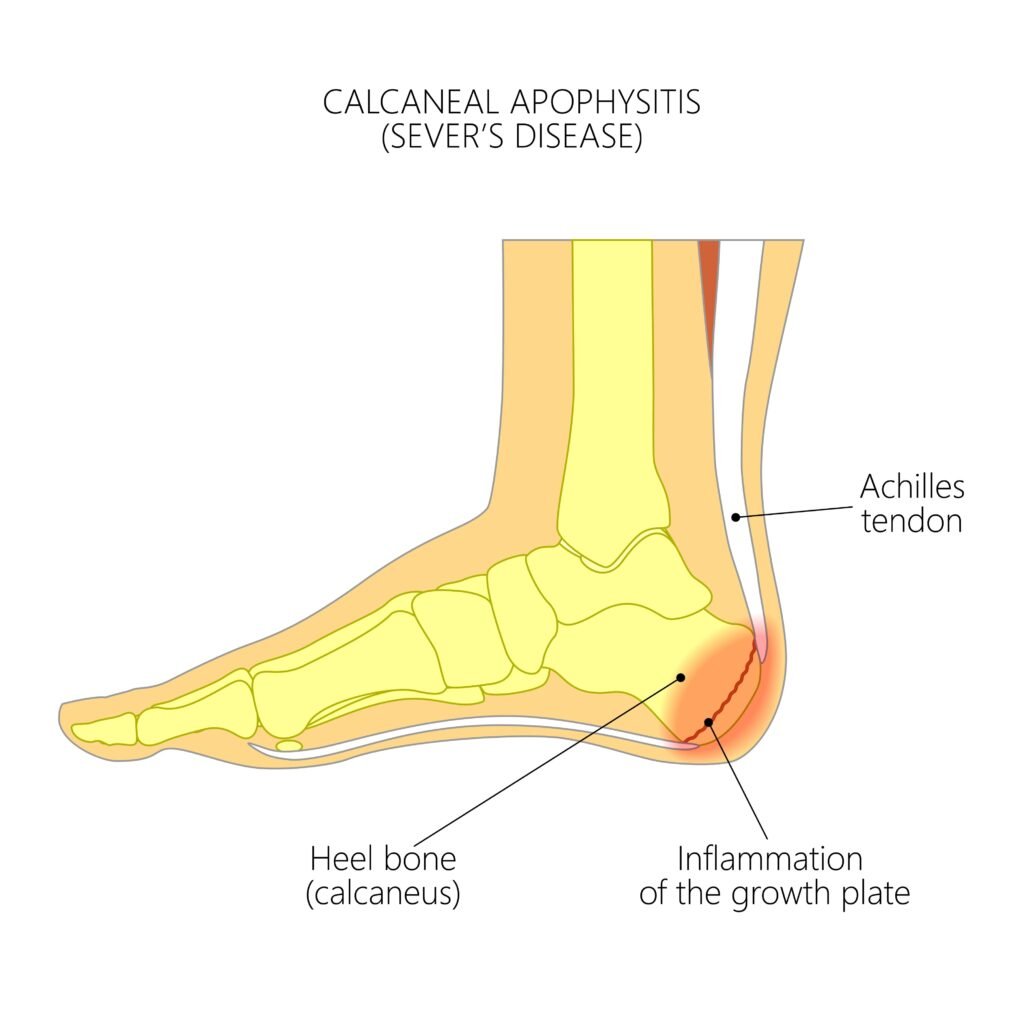
The primary difference between a child’s bone and an adult’s bone is the presence of growth plates (epiphyseal plates). These are areas of active new bone growth near the ends of long bones.
- The Growth Factor: Because children are still growing, their bodies have a remarkable ability to heal and “remodel” fractures.
- The Risk: Conversely, an injury to a growth plate requires specialized care; if not treated correctly, it can lead to limb length discrepancies or crooked growth.
2. Common Conditions We Treat
Pediatric orthopaedics covers a wide range of conditions, some present at birth and others that develop as a child grows:
- Clubfoot (CTEV): A congenital condition where a baby’s foot is turned inward. With early intervention (such as the Ponseti method of casting), most children achieve full mobility.
- Developmental Dysplasia of the Hip (DDH): When a child’s hip socket doesn’t fully cover the ball portion of the upper thighbone.
- Scoliosis: An abnormal curvature of the spine that often becomes noticeable during the growth spurts of early adolescence.
- Gait Abnormalities: Concerns such as “flat feet,” “in-toeing” (pigeon-toed), or “toe walking.”
3. Recognizing the Signs: When to Call a Specialist
While “growing pains” are a common part of childhood, certain symptoms should never be ignored:
- A Persistent Limp: If your child develops a limp that lasts more than a day or two, especially if accompanied by a fever.
- Uneven Shoulders or Hips: This can be an early sign of scoliosis.
- Refusal to Use a Limb: If a toddler suddenly stops using an arm or refuses to put weight on a leg after a fall.
- Constant Night Pain: Pain that consistently wakes a child from a deep sleep.
4. The Kshema Approach: Child-Centered Care
We understand that a hospital visit can be scary for a child. Our approach is designed to be as stress-free as possible:
- Observation Over Surgery: Many childhood conditions (like mild flat feet or in-toeing) often correct themselves as the child grows. We prioritize monitoring and non-invasive treatments like bracing or physical therapy whenever possible.
- Specialized Diagnostics: We use low-dose digital X-rays and child-friendly imaging to minimize radiation exposure.
- A Family-First Philosophy: We take the time to explain every step of the process to parents, ensuring you are an active partner in your child’s recovery.
5. Tips for Building Strong Bones
You can support your child’s orthopedic health at home by focusing on:
- Nutrition: Ensure a diet rich in Calcium and Vitamin D (milk, leafy greens, and sunlight).
- Active Play: Weight-bearing activities like running and jumping help increase bone density.
- Proper Footwear: Supportive shoes are essential during the early years of walking to promote proper foot alignment.
Leave A Comment